
A bed and desk can take up most of the floor in a small bedroom. A loft bed with a desk uses some of the space under the sleeping area for homework, crafts or computer time. Before choosing a model, check whether the room has enough height, whether the desk is comfortable to sit at and whether the ladder leaves a clear route through the room.
Know the Difference Between a Loft Bed and a Bunk Bed With a Desk
A loft bed with a desk usually has one raised sleeping surface and a work area underneath. It can suit a room that needs a bed and desk for one person. A bunk bed usually has two sleeping surfaces. If you’re browsing bunk beds with desks for a shared bedroom, check whether the model sleeps one or two people and where the desk sits.
Look at what’s included with the frame. A desk may be built in, sold separately or shown in the listing as part of a styled room. The same applies to chairs, shelves and drawers.
Measure the Room Before Choosing a Frame
Measure the full width, length and height of the frame, including the ladder and any desk or storage that extends past the bed. Check the manufacturer’s clearance guidance for the upper sleeping area. Plan to position the bed away from ceiling fans, windows, cords and other furniture.
Mark the footprint on the floor with painter’s tape. Then mark where the desk chair will sit when pulled out. Check that the chair leaves enough room to reach the ladder, open drawers and walk through the room. In a shared bedroom, try the layout with one person at the desk while the other passes by.
Pick a Desk That Fits the Way It Will Be Used
Check the Work Surface and Legroom
For homework, look for enough room to spread out a notebook beside a laptop. For crafts, check whether the surface can hold supplies without taking up the whole work area. If the desk will hold a monitor, measure its depth and check the manufacturer’s load limit.
Have your child or teen try the chair and desk height together if possible. Check that shelves, drawers and frame supports leave enough room for their knees. If the bed above casts a shadow on the work surface, plan for a desk lamp and keep its cord away from the bed and ladder.
Compare Storage and Frame Styles
Open shelves can keep textbooks and supplies easy to reach. Drawers are useful for stationery, chargers and smaller items. If the room already has a dresser, a simpler desk may leave more legroom.
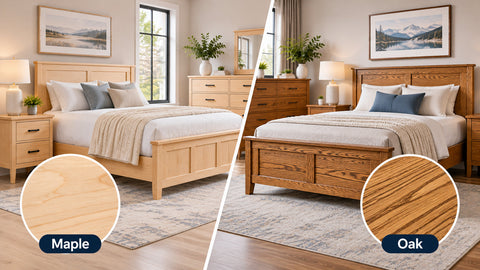
Choose the finish with the rest of the room in mind. A wood frame can echo the tone of a dresser, while a slim metal frame can suit a room with simpler lines. Compare how the desk, ladder and storage fit the layout before settling on a finish.
Check Age, Guardrails and Mattress Fit
Health Canada advises keeping children under six off the top bunk at all times. For a younger child, choose a low bed and a separate desk. Follow the manufacturer’s instructions and age limits for the specific bunk or loft bed.
Look for a securely attached ladder and guardrails on all four sides of the upper sleeping area, including the side against the wall. Check the model’s mattress size and thickness requirements. The mattress should fit snugly, and Health Canada advises keeping the top of the guardrails at least 12.7 cm (5 in.) above the top of the mattress on all sides. Ask which safety standard the specific model is certified to meet.
Follow the assembly instructions and regularly check that the ladder and fasteners are secure. For cleaning, follow the manufacturer’s care instructions for the frame and desktop.
Final Thoughts
Start with the number of sleeping spaces you need, then check the ceiling height, ladder access and room for the desk chair. Once you’ve confirmed those details and the mattress requirements, compare finishes and storage options at our online furniture store. Choose a layout that leaves room to study, climb into bed and walk through the bedroom comfortably.
Frequently Asked Questions
What is the difference between a loft bed with a desk and a bunk bed with a desk?
A loft bed generally has one raised bed and usable space underneath. A bunk bed usually has two sleeping surfaces. Check the model’s layout to confirm how many people it sleeps and where the desk is positioned.
Are bunk beds with desks a good choice for small bedrooms?
They can work well when the room has enough ceiling height and the layout leaves space for the ladder and desk chair. Measure with the chair pulled out and any drawers fully open.
Can a child under six use the top bunk?
Health Canada advises that children under six should stay off the top bunk at all times. A low bed with a separate desk is a practical alternative for younger children.
What mattress thickness should I use for a loft or bunk bed?
Use the size and thickness specified by the manufacturer. Once the mattress is in place, verify that it fits snugly and that the guardrails extend at least 12.7 cm (5 in.) above it on all sides.
How much ceiling clearance does a loft bed need?
Check the manufacturer’s clearance guidance for the model and measure from the top of the installed mattress. Consider nearby fixtures and keep the bed away from ceiling fans.
Does a bunk bed with a desk come with a chair or mattress?
Inclusions vary by model. Check the product listing for the desk, chair, mattress and storage pieces. Confirm what’s included before comparing prices.
Can a loft bed desk fit a laptop or gaming setup?
Measure the desktop against the equipment you plan to use. Check the depth for a monitor, the room for a keyboard and the desk’s load limit. Keep cords away from the bed and ladder.
What should I check when buying a loft bed with a desk for a teen?
Check desktop size, legroom, chair clearance and the manufacturer’s weight limits. Ask your teen what needs to fit on the desk, then measure the room with the chair pulled out and the ladder accessible.